
The Grocery Store Truth Detector: Why Yuka is Our Favorite "No-Brainer" Wellness Hack
This is for informational purposes only. For medical advice or diagnosis, consult a professional.
Wallet & Wellness Blog Post said
Is Your Pantry Secretly Working Against You? Why We’re Scanning Everything with Yuka
We’ve all been there: standing in the middle of a crowded grocery aisle, squinting at a tiny font on the back of a box, trying to decipher if "Maltodextrin" or "Red 40" is something we actually want in our family’s bodies. We want to make the best choices for our health, but between the marketing buzzwords like "natural" and "heart-healthy," it feels like you need a Ph.D. in biochemistry just to buy a jar of pasta sauce.
At Wallet & Wellness, we believe that true well-being shouldn't require a massive time investment or a luxury budget. That’s why we’ve become slightly obsessed with Yuka, the mobile app that’s effectively a "truth detector" for your pantry and your vanity.
What Exactly is Yuka?
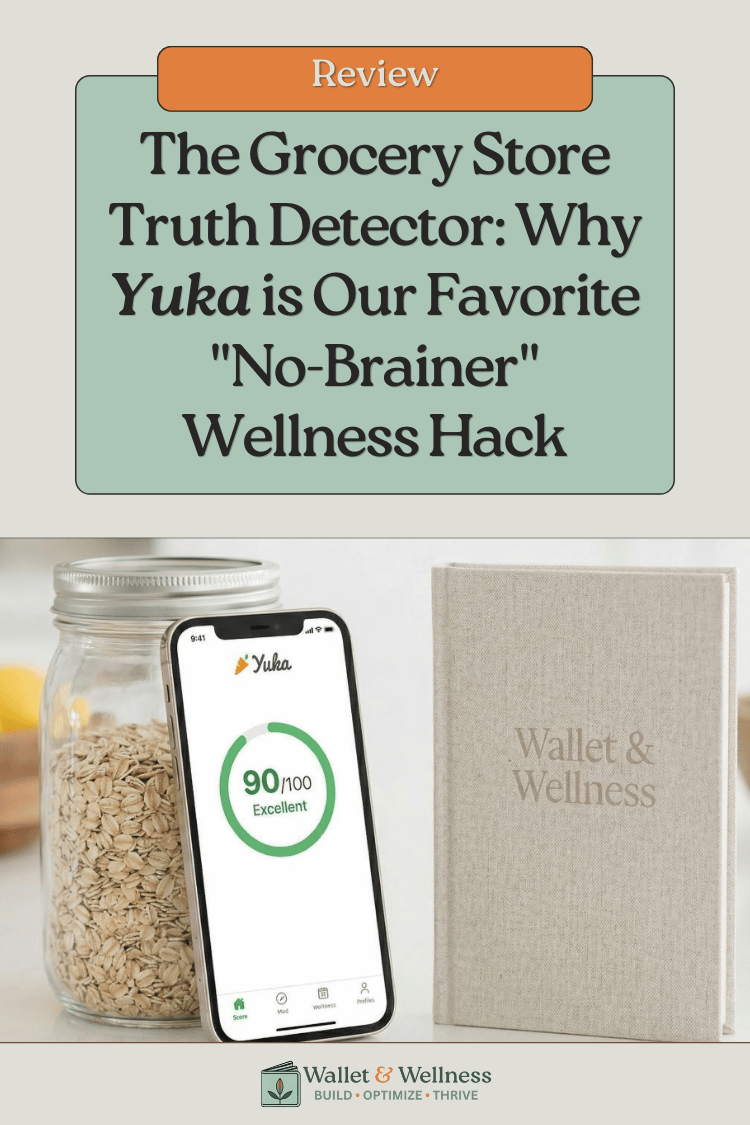
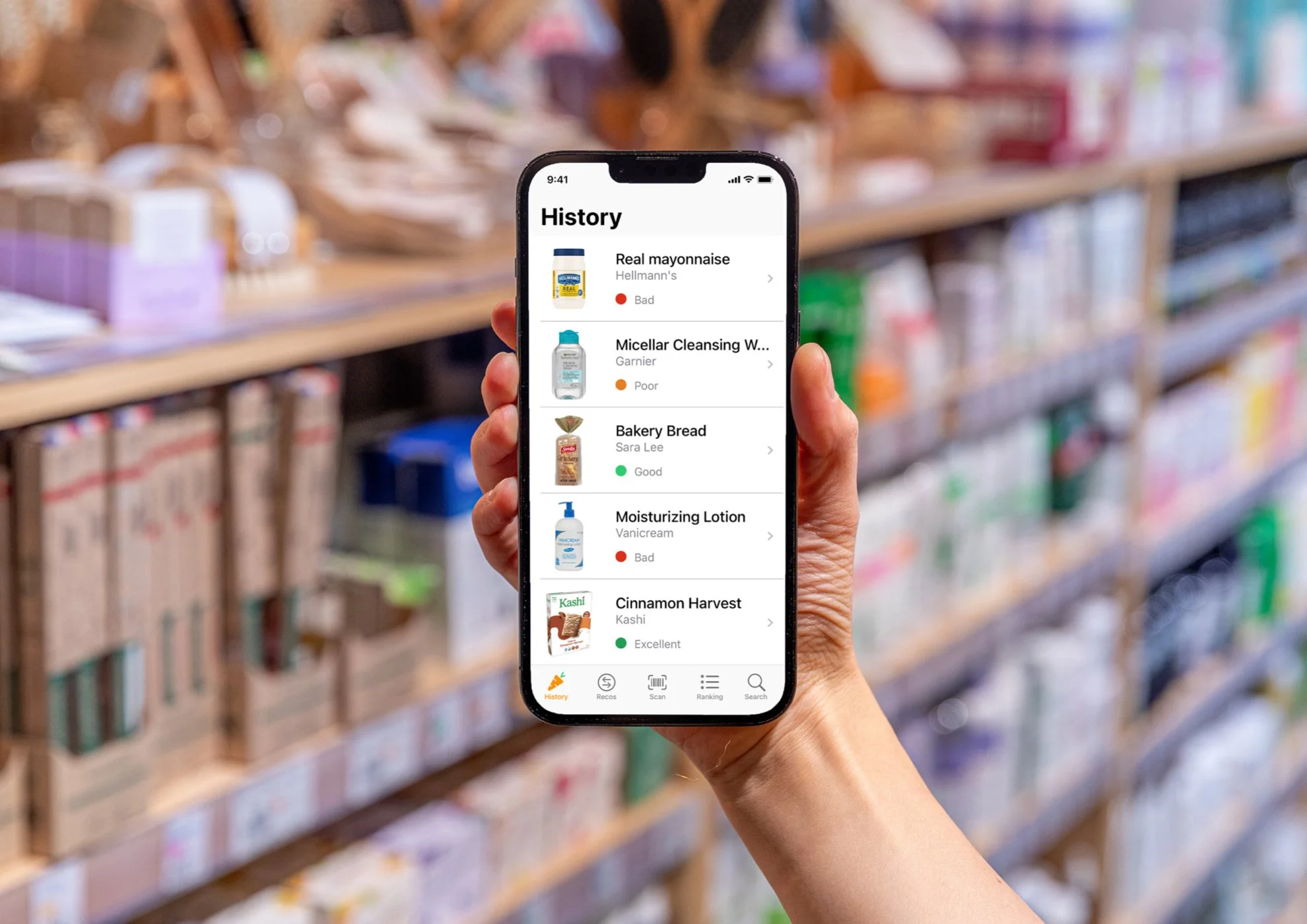
Yuka is a 100% independent mobile app that lets you scan the barcodes of food and cosmetic products to see their impact on your health. It’s simple: you scan, it scores (0 to 100), and it tells you exactly why a product is "Excellent" or "Poor."
While the database doesn't have every single niche item yet, it’s remarkably comprehensive. If you’re looking to swap out an old staple or find a cleaner version of your favorite moisturizer, Yuka is like having a tiny, honest nutritionist in your pocket.
The Philosophy: Science Over Sales
One of the reasons we trust Yuka at Wallet & Wellness is their transparency. Unlike many health apps that are secretly sponsored by the brands they recommend, Yuka is fiercely independent. They don’t accept advertising, and no brand can pay to boost their score.
Their scoring system for food is built on three objective pillars:
Nutritional Quality (60%): Based on the European "Nutri-Score" (calories, sugar, salt, saturated fats, etc.).
Additives (30%): This is where it gets interesting. They flag things like endocrine disruptors and preservatives based on current scientific research.
Organic Dimension (10%): A small "bonus" for products that carry an official organic label, rewarding the absence of chemical pesticides.
For cosmetics, the app analyzes every single ingredient, flagging potential allergens, irritants, or carcinogens. It’s eye-opening to see that some of the most expensive "luxury" creams score significantly lower than a simple, affordable drugstore alternative.
Small Scans, Big Savings: A Financial Side Effect
You might think that "eating clean" always means spending more, but Yuka often proves the opposite. One of our favorite features is the "Better Alternatives" tool. When you scan a product that scores low, Yuka will suggest higher-rated alternatives in the same category.
Frequently, the "better" alternative is a simpler, less processed version—or a generic store brand that hasn't been inflated by massive marketing budgets.
To illustrate how this works, we scanned a few common household items to see how their "clean" alternative matched up:
| Category | Low-Scoring Product | Yuka Score | Suggested Alternative | Alt Score |
|---|---|---|---|---|
| Breakfast Cereal | Popular Brand "Honey Hoops" | 21/100 (Bad) | Store-Brand Organic Oats | 90/100 |
| Pasta Sauce | Name-Brand Marinara | 45/100 (Poor) | Simple Organic Marinara | 88/100 |
| Kids’ Snack | Fruit Flavor Gummy Snacks | 12/100 (Bad) | 100% Fruit Strips | 100/100 |
| Cosmetics | Luxury Face Moisturizer | 35/100 (Poor) | Affordable Sensitive Lotion | 100/100 |
Disclaimer: Scores are illustrative examples based on common Yuka app ratings for these categories and are subject to change as formulations update.
The "Pay What You Want" Model
In a world of predatory subscription models, Yuka’s approach is a breath of fresh air. They offer a Premium version, but here’s the kicker: they let you pay what you feel is fair (usually starting around $10–$15 per year).
Why go Premium?
Offline Mode: Great for those grocery stores that are basically Faraday cages with zero cell service.
Search Bar: You can look up products without having the physical barcode in front of you.
Personal Alerts: You can set the app to flag specific things like palm oil, gluten, or lactose.
The Bottom Line
Is the scoring system perfect? No. Sometimes it can be a bit strict on things like saturated fats in healthy foods (like nuts or cheese). But as a tool for transparency, it’s a total "no-brainer." It empowers you to stop guessing and start knowing what you’re bringing into your home.
Whether you’re trying to save money by finding cheaper, cleaner alternatives, or simply trying to protect your family’s long-term health, Yuka is a tool we can’t recommend enough.

Check out Yuka on the Apple App Store, Google Play Store, or at https://www.yuka.io
Share this article on social:


