
The Plant-Based Protein Powder We Actually Use (And Why It Lives in Our Kitchen)

Let’s talk about protein powder.
Not in a fitness-influencer way. Not in a restrictive, diet-culture way. Just in a real-life, feeding-a-family, supporting-midlife-hormones kind of way. Because protein—especially in perimenopause and menopause—isn’t optional. It’s foundational.
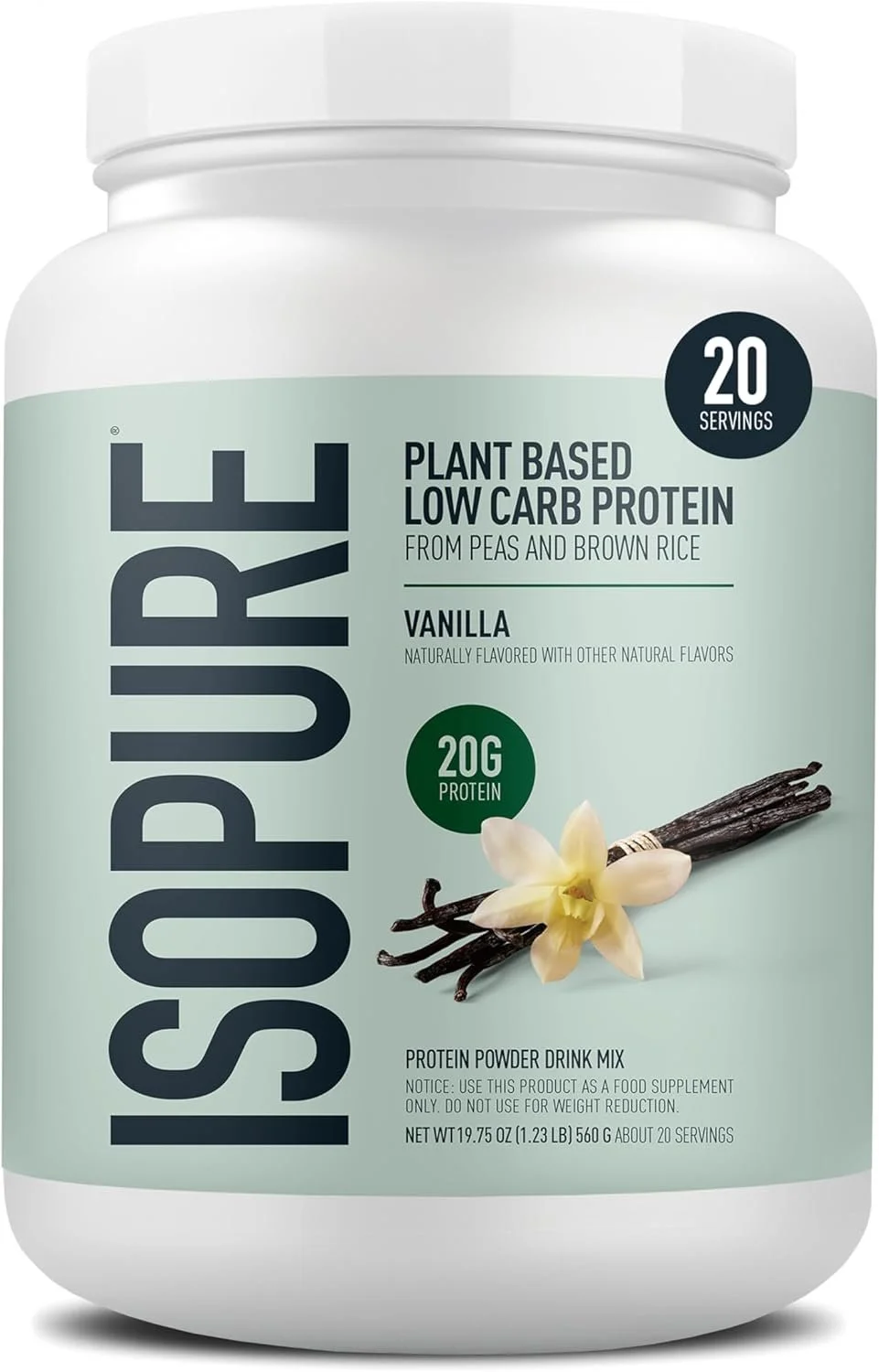
After trying more plant-based protein powders than I can count (some chalky, some overly sweet, some that just felt… off), the one we consistently come back to is Isopure Plant-Based Protein.
A Note on Our "Why"
In our house, we lean into vegan options for our protein supplements. I want to be clear: that doesn’t mean it’s the only right way or the "best" way for everyone. Nutrition is deeply personal. However, based on our specific criteria—looking for a reputable manufacturer, high-quality ingredients, and a clean profile—this is the one that checked every box for us.
Why Protein Matters More in Midlife
Midlife shifts everything. Hormones fluctuate, muscle mass naturally declines, and recovery takes longer. Protein is the simplest tool for lean muscle maintenance, metabolic health, and blood sugar balance.
Strength training is part of my daily rhythm. It clears anxiety from my body. But lifting without enough protein? That’s like remodeling a house without the lumber. For the kids, it prevents the dramatic "hanger" crash after carb-heavy snacks. This isn’t about aesthetics; it’s about steadiness.
The Wellness Logic: Why Isopure?
Isopure makes the cut for three reasons:
Reputable Quality: We trust the manufacturing standards and the simplicity of the ingredient list.
Clean Ingredients: No artificial colors or "mystery" sweeteners that leave a chemical aftertaste.
The Texture Test: It isn't gritty. It dissolves into smoothie or muffin batter without that "sand" sensation.
The "Wallet" Logic: Smart Supplementing
From a financial perspective, we treat this as a versatile pantry staple.
Cost-Effective: At roughly $1.50 per serving, it is significantly cheaper than grab-and-go protein shakes ($4+) or high-end protein bars.
The DIY Factor: We use this as a "base" for DIY protein bites. Spending 15 minutes on a Sunday making a batch saves us a significant amount on our weekly grocery bill compared to buying pre-packaged snacks.
How We Actually Use It (The Kid-Approved Way)
This isn't an "extra" collecting dust. It’s part of how we cook.
The Pancake Win: Our kids’ absolute favorite is the Vanilla flavor stirred into pancake batter. It blends in seamlessly, and they genuinely enjoy the taste.
The Sunday Bake: We use the Chocolate flavor for homemade brownies or protein-packed muffins.
Versatile Basics: We keep the Unflavored version on hand for stir-ins where we don't want to change the profile of the meal.
Simple is Sustainable
We prefer adding clean protein to food we already eat instead of relying on ultra-processed "protein cookies." It allows us to support muscle recovery naturally while modeling balanced nourishment for our kids.
Small daily habits build strong bodies. Protein is one of the easiest places to begin.
If you want to save a few bucks a month, the price decreases when you leverage Amazon's Subscribe and Save. You can purchase here.
Need some inspiration? Check out 5 of our favorite high-protein recipes!
Share article on social:


